






















































































Paharia Language Enters Digital Age with New Keyboard and Application



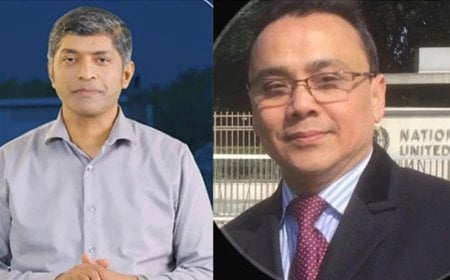
The Paharia indigenous community has received a standardized keyboard and application for their native language, Malta Saba. This groundbreaking development was spearheaded by UNESCO's International Decade of Indigenous Languages (IDIL) program’s Bangladesh representative and indigenous language technologist Samar Michael Soren.
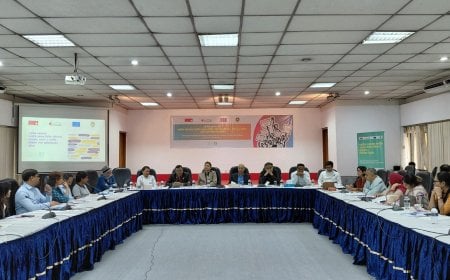
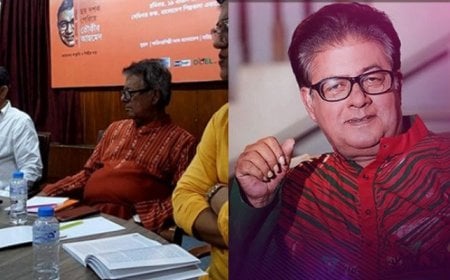
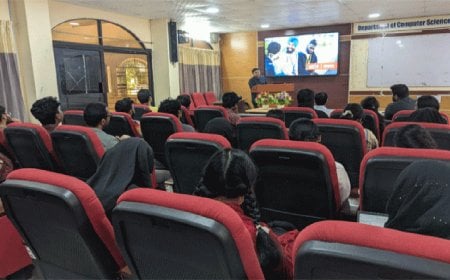
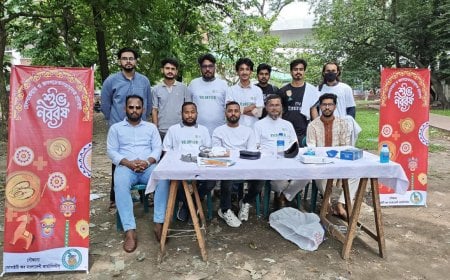
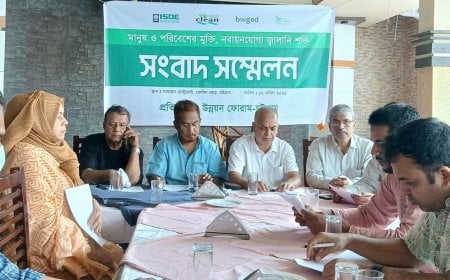
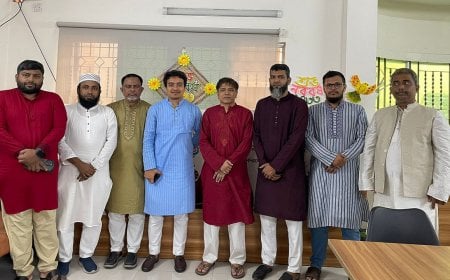
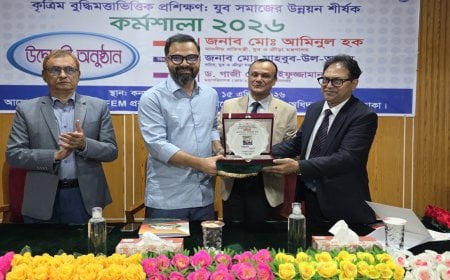
The keyboard was launched on Saturday at an event organized by Friends of Endangered Ethnic Languages (FEEL) in Rajshahi. The program was inaugurated by Dr. Dewan Muhammad Humayun Kabir, Rajshahi Divisional Commissioner and Chair of the Cultural Academy’s Executive Council.
In his keynote address, Dr. Kabir highlighted the crucial role of language in connecting humanity with nature, stating, “Language has uniquely distinguished humans from other species and fosters deeper ties with technology and nature. Today, the Paharia language embarks on a digital journey as South Asia’s newest language in this sphere, marking its 295th recognition as a keyboard globally.”
Samar Michael Soren emphasized the challenges of preserving endangered languages like Paharia in the era of artificial intelligence. He noted the absence of technological tools as a significant threat to these languages, underscoring the importance of integrating endangered languages into digital platforms such as keyboards and spell-check tools.
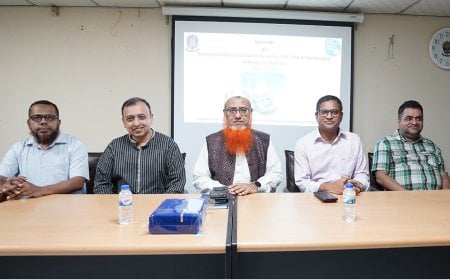
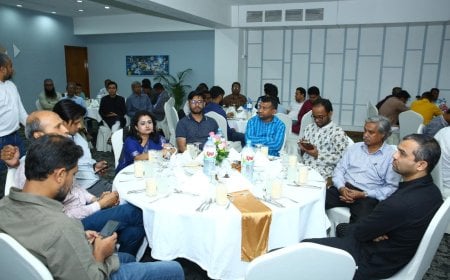
The event included discussions by several distinguished speakers, including Benjamin Tudu, Deputy Director of the Rajshahi Division’s Small Ethnic Groups Cultural Academy, and Manuel Soren, an instructor who facilitated the session. Others in attendance included journalists, cultural leaders, and language experts such as Mirdul Sangma, who revealed ongoing efforts to develop a Paharia spell checker and an online dictionary containing 5,000 words.
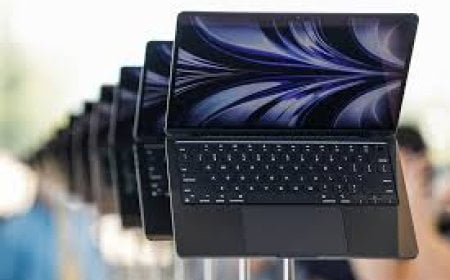
The newly developed keyboard is compatible with Unicode, enabling its use for online communication and computer writing. A mobile version of the keyboard application is also underway, according to the research team.
Speakers expressed hope that the Paharia keyboard would bridge communication gaps and preserve cultural identity. Students like Shishir Biswas from Rajshahi College highlighted the keyboard’s role in enhancing global connectivity, while schoolgirls Sonali and Rajani Biswas celebrated its potential to enable expression in their mother tongue.
The initiative reflects broader efforts by FEEL, which has developed digital tools for 16 languages so far, signaling a major step toward integrating endangered languages into the digital mainstream.